
Aviation safety news takes center stage, drawing attention to the crucial updates and changes shaping the aviation industry. From recent incidents to evolving safety protocols, this topic delves into the impact on travelers and professionals alike.
Exploring trends, protocols, training, incident analysis, and collaboration efforts, this comprehensive guide navigates through the intricate world of aviation safety news.
Overview of Aviation Safety News
Aviation safety news plays a crucial role in keeping travelers and industry professionals informed about the latest developments in ensuring safe air travel. Staying updated on aviation safety news is essential for understanding the evolving protocols and regulations that impact the industry.
Recent Incidents and Safety Protocols
- Following the Boeing 737 Max crashes in 2018 and 2019, aviation authorities around the world implemented changes to safety protocols, including software updates and pilot training requirements.
- The COVID-19 pandemic led to the introduction of new health and safety measures in airports and onboard aircraft to minimize the risk of virus transmission.
Impact on Travelers and the Aviation Industry
- For travelers, staying informed about aviation safety news can help alleviate concerns about flying and provide reassurance that safety measures are continuously being improved.
- Within the aviation industry, staying abreast of safety news is essential for maintaining compliance with regulations, ensuring the safety of passengers and crew, and mitigating risks that could impact operations.
Trends in Aviation Safety
Aviation safety regulations are constantly evolving to keep up with the changing landscape of the industry. Here are some current trends in aviation safety:
Advancements in Technology
Technological advancements have played a crucial role in enhancing aviation safety. From improved communication systems to advanced navigation tools, technology has significantly contributed to making air travel safer than ever before.
Impact of the Pandemic on Safety Measures
The COVID-19 pandemic has brought about a shift in safety measures within the aviation industry. Airlines have implemented new protocols to ensure the safety of passengers and crew, including enhanced cleaning procedures, social distancing measures, and mandatory mask-wearing policies.
Safety Protocols and Procedures
Aviation safety is of utmost importance, and there are strict protocols and procedures in place to ensure the safety of passengers and crew members. Airlines follow a set of guidelines to maintain safety standards, conduct regular inspections, and have emergency procedures in place to handle any unforeseen circumstances.
Common Safety Protocols in Aviation
- Pre-flight safety checks: Before each flight, pilots and ground crew conduct thorough inspections of the aircraft to ensure everything is in working order.
- Regular maintenance schedules: Airlines adhere to strict maintenance schedules to keep their aircraft in top condition, following guidelines set by aviation authorities.
- Crew training and drills: Pilots and cabin crew undergo regular training sessions and drills to prepare them for emergencies and ensure they can handle any situation calmly and efficiently.
- Strict adherence to air traffic control instructions: Pilots must follow instructions from air traffic control to maintain safe distances between aircraft and ensure smooth operations.
Safety Inspections and Maintenance
- Inspection procedures: Airlines conduct routine inspections of their aircraft, including checks on engines, landing gear, and other critical components to identify any issues that need to be addressed.
- Maintenance schedules: Regular maintenance tasks are performed to replace worn-out parts, conduct system checks, and ensure the overall airworthiness of the aircraft.
- Quality assurance: Airlines have quality assurance teams that oversee maintenance procedures to ensure compliance with safety regulations and standards.
Emergency Procedures for Passenger Safety
- Evacuation drills: Crew members are trained to efficiently evacuate passengers in case of an emergency, following designated evacuation procedures.
- Emergency equipment checks: Before each flight, crew members check emergency equipment such as life vests, oxygen masks, and emergency exits to ensure they are in working order.
- Communication protocols: In the event of an emergency, crew members follow specific communication protocols to relay information to passengers and ensure their safety.
Training and Education in Aviation Safety
Training programs for aviation professionals are essential to ensure that pilots, cabin crew, and ground staff are equipped with the knowledge and skills needed to prioritize safety above all else. These programs cover a wide range of topics, including emergency procedures, risk management, and human factors in aviation safety.
The Importance of Training Programs
Training programs provide aviation professionals with the necessary tools to handle any situation that may arise during a flight. By simulating real-life scenarios and practicing emergency procedures, pilots, cabin crew, and ground staff can effectively respond to unexpected events and ensure the safety of passengers and crew.
- Training programs help aviation professionals stay up-to-date on the latest safety protocols and procedures.
- By undergoing regular training, pilots, cabin crew, and ground staff can enhance their decision-making skills and improve their ability to assess risks in a fast-paced environment.
- Ongoing education and training are crucial for maintaining high safety standards in the aviation industry.
Role of Ongoing Education
Ongoing education plays a vital role in ensuring that aviation professionals are constantly learning and improving their skills. By participating in recurrent training sessions and staying informed about industry developments, pilots, cabin crew, and ground staff can adapt to changes in safety regulations and best practices.
Continuous learning is key to maintaining a high level of safety in aviation operations.
- Regular training refreshes knowledge and reinforces good safety habits among aviation professionals.
- Ongoing education helps professionals identify and address any potential safety concerns before they escalate into serious issues.
- By promoting a culture of safety through education, aviation organizations can create a more resilient and proactive safety environment.
Incident Analysis and Investigation
When it comes to aviation safety, incident analysis and investigation play a crucial role in identifying potential risks and preventing future accidents. By thoroughly examining the circumstances surrounding an incident, aviation authorities can implement necessary changes to enhance safety measures.
Process of Investigating Aviation Incidents
The process of investigating aviation incidents involves collecting data from various sources such as flight recorders, eyewitness accounts, and maintenance records. Aviation authorities use this information to reconstruct the sequence of events leading up to the incident and determine the root cause.
This comprehensive analysis helps in identifying systemic issues and developing strategies to prevent similar incidents in the future.
Role of Regulatory Bodies in Analyzing Safety Breaches
Regulatory bodies like the Federal Aviation Administration (FAA) and the International Civil Aviation Organization (ICAO) play a critical role in analyzing safety breaches. These organizations set safety standards and regulations that airlines and aviation personnel must adhere to. When a safety breach occurs, regulatory bodies investigate the incident to determine if any violations of safety protocols have occurred.
They also work closely with airlines to implement corrective actions to prevent future breaches.
Lessons Learned from Incidents Improving Aviation Safety
Incidents in the aviation industry have often led to important lessons learned that have significantly improved aviation safety. For example, the investigation of the Tenerife airport disaster in 1977, the deadliest aviation accident in history, resulted in the implementation of standardized communication protocols for air traffic control.
This tragic event highlighted the importance of clear and concise communication in preventing similar accidents, leading to improved safety measures in the aviation industry.
Impact on Travelers
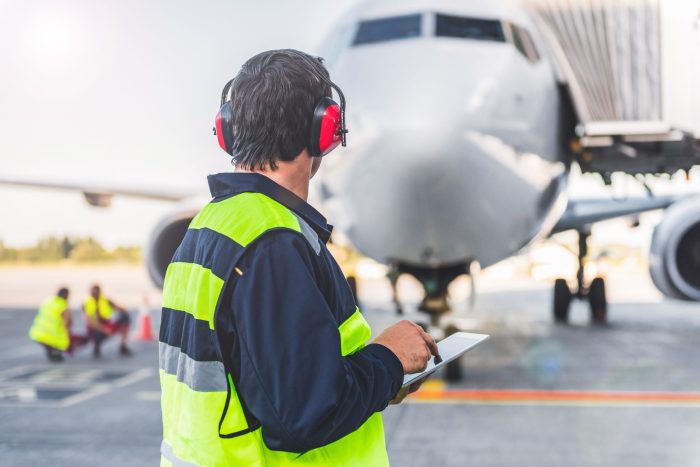
Aviation safety news plays a crucial role in shaping traveler perceptions and decisions when it comes to air travel. Understanding how safety incidents can impact passengers is essential for ensuring a safe and comfortable journey.
Significance of Safety Ratings and Reports
Safety ratings and reports are valuable tools for passengers to assess the safety record of airlines and make informed decisions. Passengers often rely on these ratings to choose airlines with strong safety records, giving them peace of mind during their travels.
Tips for Travelers to Stay Informed
- Subscribe to aviation safety newsletters or websites to receive regular updates on safety incidents and trends.
- Check safety ratings and reports of airlines before booking your flight to ensure you are choosing a reputable and safe carrier.
- Stay informed about safety protocols and procedures by following official aviation safety guidelines and recommendations.
- Trust your instincts – if you feel uncomfortable about a certain flight or airline, consider alternative options for your travel.
Safety Measures in Different Types of Aircraft
When it comes to aviation safety, different types of aircraft have unique safety features and challenges. Let’s explore how safety measures vary across commercial airplanes, helicopters, and private jets.
Commercial Airplanes
- Commercial airplanes are equipped with advanced avionics systems that assist pilots in navigation and communication.
- These aircraft undergo rigorous maintenance checks to ensure all systems are functioning properly before each flight.
- Emergency exits and life-saving equipment are strategically placed to facilitate evacuation in case of an emergency.
Helicopters
- Helicopters have the ability to perform vertical takeoffs and landings, but this also presents unique safety challenges.
- These aircraft require skilled pilots due to their complex maneuverability and hovering capabilities.
- Helicopters are equipped with safety features like emergency flotation devices for overwater operations.
Private Jets
- Private jets often have fewer passengers, allowing for more personalized attention to safety protocols.
- These aircraft are equipped with state-of-the-art communication systems for real-time updates on weather conditions and air traffic.
- Private jet operators adhere to strict maintenance schedules to ensure the safety and reliability of the aircraft.
Collaboration for Safety
Collaboration among various stakeholders is crucial in ensuring aviation safety. By working together, airlines, regulatory bodies, manufacturers, and international organizations can address safety concerns effectively and implement necessary measures to enhance safety standards in the aviation industry.International organizations play a significant role in setting global safety standards for aviation.
Organizations such as the International Civil Aviation Organization (ICAO) and the International Air Transport Association (IATA) work towards harmonizing regulations and guidelines to ensure consistent safety practices worldwide. These standards help streamline safety protocols and procedures across different countries and regions, promoting a safer aviation environment for all.Successful collaborations in the aviation industry have led to significant advancements in safety.
For example, the Aviation Safety Information Analysis and Sharing (ASIAS) program in the United States allows airlines, regulators, and other stakeholders to share safety data and analyze trends to proactively address safety issues. This collaborative effort has resulted in the development of new safety protocols and the implementation of targeted safety initiatives to mitigate risks and improve overall safety performance.
Examples of Successful Collaborations
- Joint Safety Analysis Teams (JSAT): JSATs bring together experts from airlines, manufacturers, and regulatory agencies to conduct in-depth analyses of safety events and identify root causes. By sharing knowledge and expertise, these teams can develop effective solutions to prevent similar incidents in the future.
- Aviation Safety Action Programs (ASAP): ASAPs allow frontline aviation personnel to voluntarily report safety concerns without fear of reprisal. This collaborative approach promotes a transparent safety culture and enables stakeholders to address potential safety issues proactively.
- Global Safety Information Exchange (GSIE): The GSIE initiative facilitates the exchange of safety-related information among aviation stakeholders worldwide. By sharing best practices, lessons learned, and safety data, participants can enhance safety performance and promote continuous improvement in safety standards.
Future of Aviation Safety: Aviation Safety News
Aviation safety is an ever-evolving field that continuously adapts to new challenges and opportunities. As we look to the future of aviation safety, several key trends and developments are expected to shape the industry’s approach to ensuring the highest levels of safety for passengers and crew alike.
Predicted Trends in Aviation Safety Measures, Aviation safety news
- Increased focus on automation and artificial intelligence to enhance safety protocols and decision-making processes.
- Implementation of predictive maintenance technologies to prevent potential issues before they occur.
- Integration of big data analytics to identify patterns and trends that can improve safety measures.
- Enhanced cybersecurity measures to protect aircraft systems from potential threats.
Impact of Emerging Technologies on Aviation Safety
- The use of drones for safety inspections and surveillance to enhance monitoring and response capabilities.
- Development of advanced cockpit technologies to improve situational awareness and decision-making for pilots.
- Integration of virtual and augmented reality training tools to enhance safety education and simulation experiences.
Adaptation of the Aviation Industry for Long-Term Safety
- Collaboration between industry stakeholders to establish standardized safety protocols and best practices.
- Ongoing investment in research and development to innovate new safety technologies and strategies.
- Focus on continuous training and education for aviation professionals to stay updated on the latest safety procedures and regulations.
Closure
In conclusion, staying informed about aviation safety news is not just a matter of awareness but a key factor in ensuring safe and secure travel experiences. With ongoing advancements and collaborations, the future of aviation safety looks promising and steadfast in its commitment to passenger well-being.
FAQ
How often should travelers check for aviation safety updates?
It is recommended for travelers to check for aviation safety updates before every trip to stay informed about any recent developments.
Are safety ratings the only factor travelers should consider when choosing airlines?
While safety ratings are important, travelers should also consider other factors such as service quality, route options, and pricing when choosing airlines.


